

Spring Into Action: Why You Should Reassess Your Dog’s Raw Diet
Spring brings longer days, warmer weather, and more time outdoors for you and your dog. These changes often mean your dog’s activity level and nutritional needs shift too. If you feed your dog a raw diet, now is the perfect time to review what’s in the bowl. Adjusting portion sizes, protein variety, and treats can keep your dog healthy, energetic, and comfortable as the seasons change.
At Northern Raw Feeds, we focus on Biologically Appropriate Raw Food to make feeding simple and healthy for dogs of all ages. Whether your dog is more active, spending more time outside, or just ready for a fresh start, a spring diet review can help you tailor their meals to fit their current lifestyle.

Why Review Your Dog’s Diet in Spring?
Spring naturally encourages more movement. Dogs often enjoy longer walks, playtime in the yard, and more outdoor adventures. This increase in activity can affect how much energy your dog needs and how well they digest their food.
A dog diet that worked well during the colder months might not suit the warmer season. Some dogs benefit from lighter meals or different protein sources to stay comfortable and maintain a healthy weight. Others might need a slight increase in portion size if they are burning more calories.
Checking your dog’s diet in spring helps you:
Match food intake to activity level
Support digestion with appropriate protein choices
Maintain a healthy weight and coat condition
Keep meals interesting with variety
What Makes a Raw Diet Work Well?
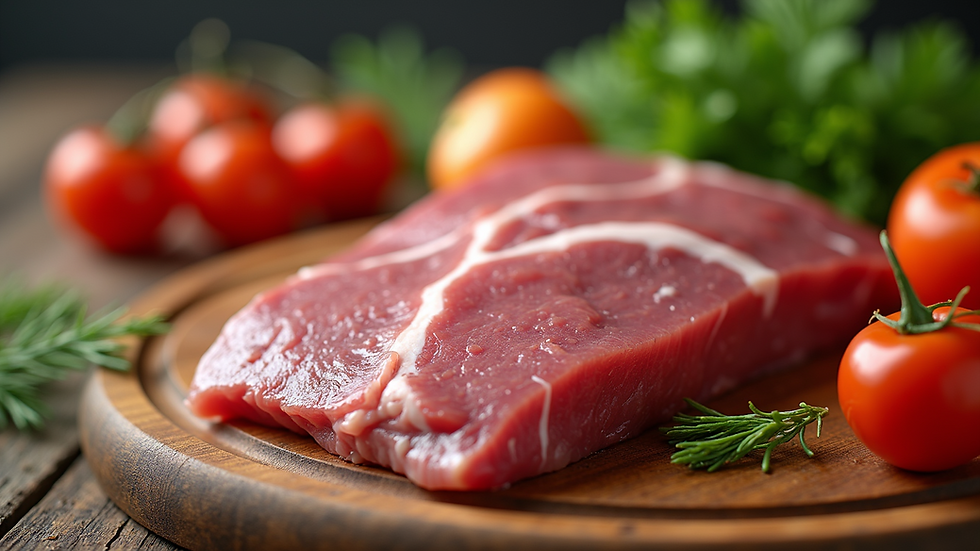
A successful raw diet balances meat, bone, and organ meats in the right proportions. A common guideline is:
80% meat
10% bone
10% organ meats (including liver)
Variety in protein sources is essential. Different meats provide different nutrients, so rotating between beef, chicken, lamb, and fish can help cover all nutritional bases. This rotation also keeps meals exciting, especially for dogs who are picky eaters.
Including treats that fit the raw diet philosophy can support training and bonding without upsetting digestion or adding unnecessary calories.
Signs It May Be Time to Adjust Portions
A spring review of your dog diet can reveal if your dog needs more or less food. Watch for these signs:
Noticeable weight loss or gain
Softer stools or digestive changes
Dull coat or dry skin
Lower energy levels
Leaving food uneaten more often
If your dog is losing weight, try increasing portions gradually. If your dog is gaining weight, reduce portions slightly and monitor changes. Adjustments should be small and slow to avoid upsetting digestion.

How to Make Changes Safely
When changing your dog’s raw diet, gradual transitions are key. Sudden changes can cause digestive upset or refusal to eat. Here’s how to adjust safely:
Introduce new proteins slowly over 5 to 7 days
Adjust portion sizes by 10% increments every few days
Monitor your dog’s stool quality, energy, and appetite
Keep treats consistent or reduce them if increasing meal portions
If you’re unsure about changes, consult a veterinarian or a pet nutrition expert familiar with raw feeding. They can help tailor the diet to your dog’s specific needs.
Practical Tips for Spring Feeding
Rotate proteins: Try adding fish or turkey if you usually feed beef or chicken.
Adjust portions: Increase food slightly if your dog is more active or losing weight.
Choose treats wisely: Use raw-friendly treats like freeze-dried organs or small pieces of meat.
Watch hydration: Warmer weather means your dog may need more water alongside their raw feed.
Observe closely: Keep a journal of your dog’s weight, coat condition, and energy to track progress.



I observe that the argumentation is tight and internally consistent. Speculative language is notably absent from the claims. The website supplies further evidence supporting the main argument. Behavioural scaling is represented through online entertainment interfaces.